Tuesday, November 24, 2009

Tips on Nutrition and Building Muscle

Building MuscleGood nutrition is important. Healthy people will exhibit each of these things. Good nutrition involves consuming a variety of foods in appropriate amounts. No one food provides all the substances the body needs (nutrients) for good health: protein, carbohydrates, fats, vitamins, minerals, fiber, and many others. Good nutrition needs involves making healthy food choices. A regular exercise program is also important to good health.

Good nutrition also reduces your risk for developing AMD (age-related macular degeneration) that can lead to blindness. Good nutrition is essential for normal organ development and functioning; normal reproduction, growth and maintenance; for optimum activity level and working efficiency; for resistance to infection and disease; and for the ability to repair bodily damage or injury. While pregnancy is a normal alternative condition for the female body, it is stressful, and all nutritional needs are increased in order to meet the needs of the pregnancy. Good nutrition also helps prevent the effects of lead exposure. Foods high in iron and calcium, like lean meat, eggs, raisins, greens, milk, cheese, fruit and potatoes, can help get lead out of a child's system.

Good nutrition is maintaining a healthy diet. This practice, in return, will give you many health benefits such as high energy, mental sharpness, resistance to infection, faster recovery from illnesses, operations and fractures, improved medication absorption and better management of health troubles. Good nutrition is especially important for people with cancer. That is because the illness itself, as well as its treatments, may affect your appetite. Good nutrition may prevent acquired immunodeficiency caused by malnutrition.

Proteins are the building blocks in animal nutrition. They are one of the most important nutrients in the diet and are currently one of the most widely debated. Protein is an essential part of any healthy diet, but eating too much animal-based protein-such as the levels recommended in many low-carb, high-protein diets-is particularly dangerous for women. Eating lots of protein causes calcium loss. Protein, one of the most important nutrients in milk, varies greatly from one species to another. The protein in human milk forms a smaller curd in the baby's stomach and is easier to digest than the cow's milk or soy protein in infant formula.

Protein is the chief element that muscles require for enlargement. If the body is not supplied with sufficient carbs, the muscles will source protein from other parts of the body, convert it to glucose and use it for energy, because carbohydrates is the main energy source that the body uses for muscle building activity. Protein is the fuel for muscle growth. They consist of amino-acids that are necessary for muscle and are building blocks of muscle!

Eat and drink right, stay on a regular exercise routine, and stay safe. These things may seem obvious, but it's the truth. Eat grains, legumes, and root vegetables like potatoes, sweet potatoes and beets as they have a low glycemic percentage. The increase of sugar in the blood caused by carbohydrates and the rapid digestion increases the risk of insulin resistance and can accelerate the effects of aging. Eating often is more important.

Eat lots of citrus fruits, kiwis, strawberries, pineapples, tomatoes, and green and red peppers, and you'll never have a deficiency in this nutrient. Eating vegetables on a daily basis can lead to a reduced risk of some chronic diseases, including stroke, diabetes and cancer. Vegetables provide nutrients, such as potassium, magnesium and vitamins A, C and E that are vital for overall health and maintenance of your body. Eat at least three to four servings of calcium-rich foods per day. Good sources include low-fat yogurt, cheese and milk; dark green leafy vegetables (collard greens, kale, chard, arugula, broccoli); almonds; and tofu.

Breakfast has gained a reputation for being the most important meal of the day, because it is the first meal consumed after a night of sleep and provides energy and fuel for the body to run throughout the day. Lunch, dinner and snacks are important because they replace energy that is burned throughout the day and provide the body with enough energy to last through a long night of studying. Breakfast is a hectic time of day for most families, but it's also an important meal that contributes to a successful day and is linked to performance in school. Prepare high quality foods ahead of time to ensure a healthy, balanced meal.


Sourche: Ezine@rticles

Monday, November 9, 2009

Relieve Stress at Work

stress health


How To Relieve Stress At Work

It may seem next to impossible to find time to relieve stress at work, but a few well-spent minutes can dramatically increase your productivity, enjoyment and health.


Take a few deep breaths, allowing your rib cage and belly to expand as you inhale. Exhale slowly.
Seek a change in venue. Getting away from your work station, even for a walk to the water cooler, can help you collect your thoughts and refocus on the task at hand.
Laugh! Read one of your favorite jokes or simply laugh aloud.
Play with a stress-relieving toy or game like a mini-basketball hoop, dart board, foam stress ball or punching bag.
Close your eyes and listen to soothing music.
Visualize yourself relaxing at your favorite vacation spot or completing the big presentation with ease.
Add helpful reminders to your screen saver, such as, "Take a deep breath," or add a phrase or joke that makes you laugh.

Watch out!:
Use good judgment and know what is appropriate for your workplace.


Tags: relieve stress, relieving stress, stress relieving, how relieve stress, stress, stress management

Wednesday, October 21, 2009

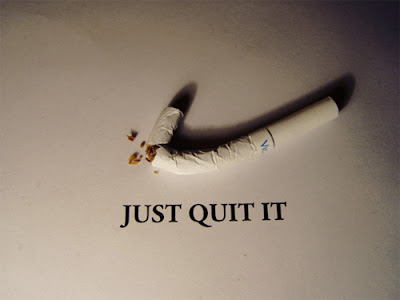
Ways To Quit Smoking

Ways To Quit Smoking


Nicotine cravings
can be powerful. But you're not at the mercy of your cravings. When a nicotine craving strikes, remember that it'll pass — often within less than five minutes — whether you smoke a cigarette or not. Each time you resist a nicotine craving, you're one step closer to quit smoking for good.

In the meantime, here are some ways to quit smoking.

1. Move. Do deep knee bends, run in place or climb the stairs. A few minutes of brisk activity may stop your nicotine craving in its tracks.

2. Replace. Try a stop smoking product instead of a cigarette. Some types of nicotine replacement therapy — including patches, gum and lozenges — are available over-the-counter. Nicotine nasal spray and the nicotine inhaler are available by prescription.

3. Face yourself in the mirror. List out loud the reasons you want to quit smoking. Include the benefits of staying tobacco-free, such as a longer and healthier life, and more money — and time — to spend on things you enjoy.

4. Breathe deeply. Close your eyes and take a few deep breaths. You might even inhale air through a drinking straw.

5. Call for reinforcements. Team up with someone who doesn't smoke for a quick chat or brisk walk.

6. Make believe. Imagine your lungs getting healthier as each minute passes.

7. Do the math. Add up how much money you'll save by not smoking for a week, a month or a year. Make a list of luxuries you could buy with your savings — or calculate the interest you'll earn by investing the money.

8. Read a quitter's blog. Post encouraging thoughts for someone else who might be struggling with nicotine cravings.

9. Drink up. Sip a glass of ice water slowly. When the water is gone, suck on the ice cubes.

10. Sort your recipes. Jot down the ingredients for a few good-for-you recipes you've been meaning to try. The next time you shop for groceries, you'll be a step ahead of the game.

11. Laugh. Share a funny story with a friend, or search the Internet for a funny joke.

12. Plan ahead. Make a list of all the ways you can reward yourself for making it through another nicotine craving.

13. Freshen your breath. Brush and floss your teeth, rinse with mouthwash or suck on a breath mint.

14. Clean your closet. Discard any clothes yellowed by cigarette smoke or damaged with cigarette burns.

15. Try a mind bender. Do a crossword puzzle, word game or number puzzle.

16. Get soapy. Wash your car, scrub the floor or give the dog a bath.

17. Keep your mouth busy. Chew on a cinnamon stick, flavored toothpick or sugarless gum.

18. Get musical. Whistle, sing or play a musical instrument. Ask a partner to dance.

19. Have a ball. Dribble a basketball, hit a tennis ball against the wall or play catch with a partner.

20. Be positive. Remind yourself that the power to quit smoking is in your hands.

Thursday, October 15, 2009

About Mesothelioma

Mesothelioma is a deadly, “sneaky” cancer that doesn’t generally show its symptoms for many years after it begins. For some people, the diagnosis of mesothelioma is a shock that prompts a search through their past, going back decades to determine the source of the asbestos that initiated the mesothelioma process.

Mesothelioma
Asbestos Exposure

For other individuals, their history of asbestos work is easily identified as the culprit underlying this disease, the onset of which can take up to 50 years after the causative asbestos exposure. Many people who worked in asbestos mines or processing plants or with asbestos-containing products are by now aware of the high rate of mesothelioma in their professions, often having heard about former co-workers diagnosed with this cancer.

Diagnosis Mesothelioma

Mesothelioma is not easily diagnosed and confirmed, however. Oftentimes an individual is mistakenly diagnosed with another type of cancer or respiratory disease or other malady before the mesothelioma is identified. In addition, primary care physicians and other healthcare professionals are not familiar with mesothelioma and thus miss or misinterpret the signs and symptoms, which may include (dependent on the location of the cancer):

Symptoms of Mesothelioma

A mass in the abdomen
Abdominal pain and/or swelling
Ascites, or an abnormal buildup of fluid in the abdomen
Bowel problems
Chest wall pain or pain under the rib cage
Coughing up bloody sputum
Fatigue, anemia
Hoarseness, wheezing, or cough
Pleural effusion (fluid surrounding the lung)
Shortness of breath
Weight loss
The mesothelioma may attack the pleura (the outer lining of the lungs and chest cavity), the peritoneum (the lining of the abdominal cavity), or the pericardium (a tissue sac surrounding the heart).

The Prognosis for Mesothelioma Patients

In nearly every case, mesothelioma is malignant (active, growing), not benign. The prognosis for a given mesothelioma patient depends on several factors in his or her unique circumstances:

the patient's age
his or her health, especially lung and heart health
the size of the mesothelioma tumor
its stage
the type of mesothelioma cells
whether the cancer is new or a recurrence
the presence and amount of fluid in the chest and/or abdomen

Mesothelioma Treatment Options

There are three main categories of treatment for mesothelioma: surgery, radiation therapy, and chemotherapy. Combinations of two or more of these are also frequently used. For example, surgery may be performed to excise all possible malignant tissue, then chemotherapy or radiation is used to kill off any cancer cells that remain. Such treatment after surgery is commonly referred to as adjuvant therapy.

New Mesothelioma Treatment are under investigation, including photodynamic therapy and biologic therapy.

More Information about Mesothelioma

There is much more to learn about mesothelioma, including the legal rights of individuals and families impacted by this disease. Contact a mesothelioma lawyer in your vicinity today to get the information you need.